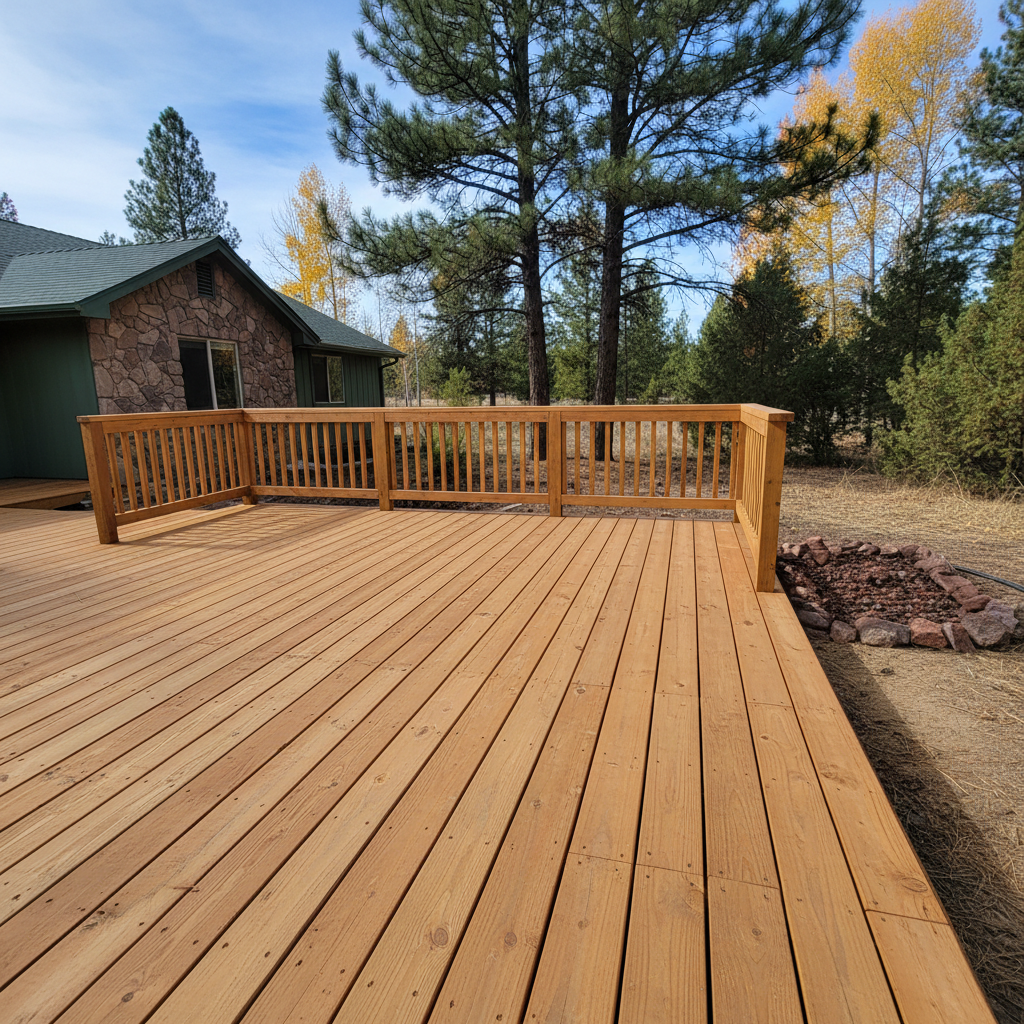
You've got a deck, right? Maybe I built it for you, or maybe it was there when you bought the place. Either way, you want that outdoor living space to hold up. Here in Bend, we love our decks – they're practically an extension of our homes for half the year. But our climate, with its hot, dry summers and snowy, freezing winters, can be brutal on wood and even composite materials if you're not paying attention.
I've seen it all, from sun-baked splinters to rot creeping up from the ground. The good news is, a little proactive maintenance goes a long way. It's not rocket science, but it does take some consistency.
Regular Maintenance: Your Deck's Best Friend
Think of your deck like your car; it needs regular check-ups. For decks, that means a couple of times a year, usually in the spring after the snow melts and again in the fall before winter really sets in. Here's what I recommend:
- Clean it thoroughly: This is step one. Get rid of all the dirt, pollen, pine needles, and whatever else has accumulated. A good scrub with a deck cleaner (follow the manufacturer's instructions!) and a stiff brush is usually enough. For tougher grime, a pressure washer on a low setting can work, but be super careful. Too much pressure, especially on wood, can damage the fibers and make it look fuzzy. I've seen folks blast holes right through softer woods – don't be that person.
- Inspect for damage: Once it's clean and dry, walk every inch of that deck. Look for loose screws, nails popping up, cracked boards, or splinters. Pay close attention to railings and stairs – these are critical for safety. Check the ledger board where the deck attaches to your house; any gaps or signs of water intrusion there are a red flag.
- Check the substructure: If you can get under your deck, take a look. Are the joists and beams looking solid? Any signs of rot or insect damage? This is especially important for older decks or those built close to the ground, where moisture can be a real problem.
- Reapply sealant or stain: This is probably the most crucial step for extending the life of a wood deck. Our intense sun and dry air here in Central Oregon just suck the life out of wood. A good quality stain or sealant protects against UV rays, moisture, and general wear and tear. How often? It depends on the product and how much sun your deck gets, but typically every 2-3 years for a good quality stain. If water isn't beading up on the surface anymore, it's time.
Warning Signs: Don't Ignore These
Your deck will usually tell you when something's wrong, you just have to know what to listen for. Ignoring these can turn a small fix into a major headache, or worse, a safety hazard.
- Soft spots or spongy areas: If a board feels soft or squishy when you step on it, that's rot. It means moisture has gotten in and is breaking down the wood fibers. This needs immediate attention.
- Cracks or excessive splitting: Small surface cracks are normal as wood ages, but deep, long cracks can compromise the structural integrity of a board.
- Loose railings or wobbly posts: This is a huge safety issue. Railings should be solid. If they move, they need to be reinforced or replaced.
- Mold or mildew: While usually just a surface issue, persistent mold can indicate poor drainage or constant moisture, which can lead to rot over time. Especially in shaded areas or where snow piles up against the house in winter, you'll see this.
- Rusting fasteners: If nails or screws are rusting out, they're losing their holding power. This is common in older decks that might have used non-galvanized fasteners.
- Water pooling: If water sits on your deck for extended periods after rain or snowmelt, it's a problem. It could be poor drainage, cupping boards, or an issue with the deck's slope.
When to Call a Professional (Like Bend Deck Creations)
Look, I'm all for DIY, but some things are best left to the pros. Knowing when to call us isn't a sign of failure; it's a sign of smart homeownership. You should definitely pick up the phone if you notice any of these:
- Significant structural damage: If you're seeing widespread rot in joists, beams, or posts, or if the ledger board is compromised, that's beyond a simple repair. This requires expertise to ensure the deck is safe and up to code.
- Extensive wood rot: A few rotten deck boards? You might be able to tackle that. But if you're finding rot in multiple places, especially in critical support elements, it's time for a professional assessment.
- Deck bouncing or swaying: If your deck feels unstable when you walk on it, or if it noticeably sways, there's a serious structural issue that needs immediate attention.
- Permit required repairs: Any major structural changes or replacements often require permits from the city or county. We know the ins and outs of local building codes and can handle that process for you. For instance, if your deck is older and built before some of the more stringent snow load requirements came into play for Bend, a professional can assess if it's still up to snuff.
- You're just not comfortable: If you're unsure about the extent of the damage, or if you don't have the right tools or expertise, it's always better to call someone who does. Your safety, and the safety of anyone using your deck, is paramount.
Keeping your deck in top shape isn't just about curb appeal; it's about safety and protecting your investment. A well-maintained deck can last decades, providing countless hours of enjoyment. If you're in doubt about any repairs or just want an expert eye on your deck's condition, don't hesitate to reach out to Bend Deck Creations. We're here to help keep your outdoor space safe and beautiful.