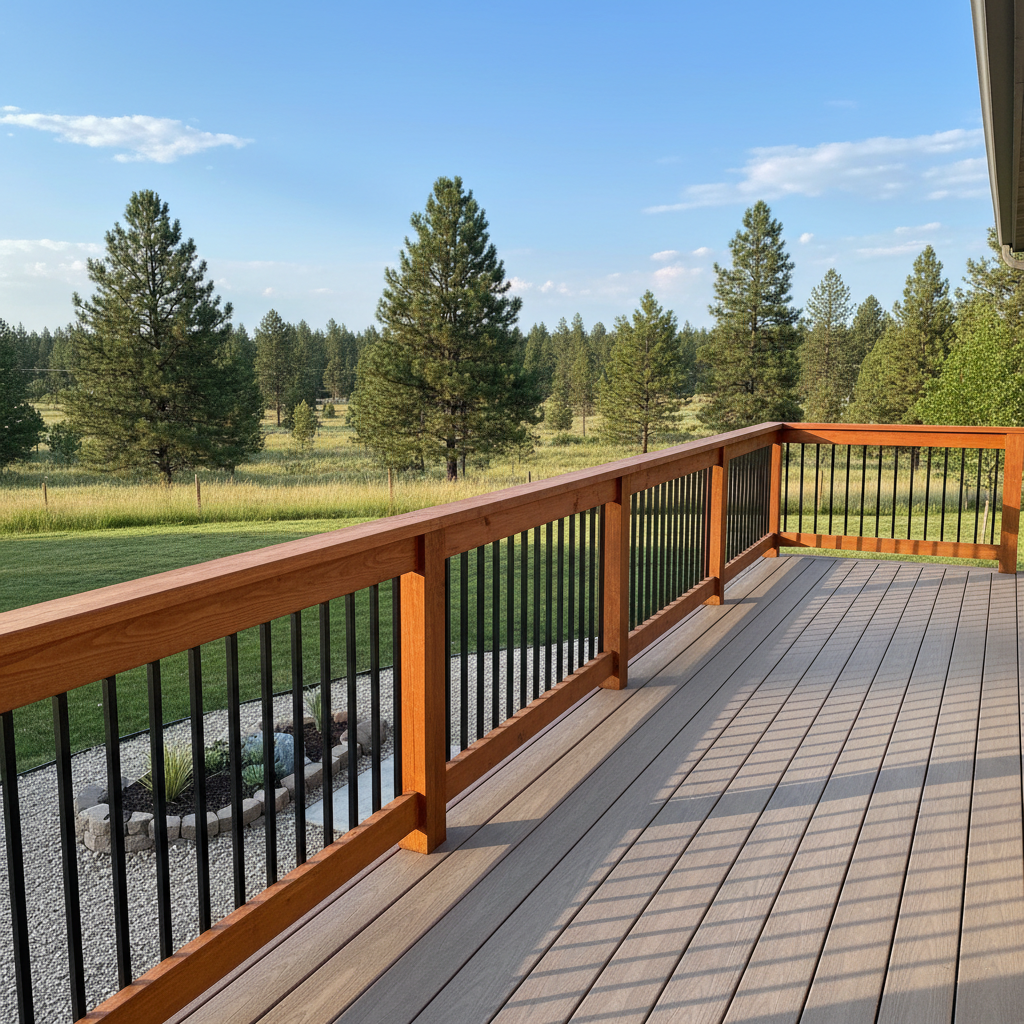
You just invested in a beautiful new deck railing system, maybe we even installed it for you here at Bend Deck Creations. That's fantastic! But the job isn't done once the last post cap is on. To make sure that railing lasts as long as it should, especially with our unique Central Oregon climate, you've got to give it a little love.
Why Bend's Weather Matters for Your Railings
Our weather here in Bend is awesome for outdoor living, but it's also tough on materials. We get scorching summer sun that can bake and dry out wood or fade composites. Then there's the winter snow and ice, followed by those freeze-thaw cycles that can really stress connections and finishes. And don't forget the high desert dust and wind. All these things mean your railings need a bit more attention than if you lived somewhere with a milder, more consistent climate.
Regular Maintenance: Your First Line of Defense
Keeping your railings in top shape isn't rocket science, but it does require consistency. Here's what I tell folks:
- Clean it regularly: At least twice a year, give your railings a good wash. For most materials, a mild soap and water solution with a soft brush or cloth does the trick. Rinse thoroughly. This gets rid of dirt, pollen, and any mold or mildew trying to take hold, especially on the north-facing sides that stay damp longer.
- Inspect fasteners: Loose screws or bolts are a common issue. Check all connections – posts to deck, rail sections to posts, balusters to rails. Tighten anything that feels wobbly. This is super important for safety.
- Check for damage: Look for splinters, cracks, dents, or scratches. Even small nicks can let moisture in, leading to bigger problems down the road.
- Clear debris: Make sure leaves, pine needles, and other gunk aren't piling up around the base of posts or in corners. This traps moisture and can lead to rot or corrosion.
Specifics for Different Materials
- Wood Railings: If you've got cedar or pressure-treated wood, you'll need to re-seal or re-stain every 1-3 years, depending on the product and how much sun it gets. This protects against UV damage and moisture. Sanding lightly before reapplication helps the new finish adhere better.
- Composite Railings: These are pretty low-maintenance, which is why a lot of folks choose them. Still, they need cleaning. Watch for any chalking or fading, which can sometimes be addressed with specific composite cleaners or restorers.
- Metal Railings (Aluminum, Steel): Mostly, it's about cleaning and checking for rust. If you see rust spots on steel, address them quickly with a wire brush and rust-inhibiting paint. Aluminum is generally rust-proof, but scratches can expose the raw metal.
- Cable Railings: Keep the cables clean and check tension periodically. Loose cables are a safety hazard. Make sure all fittings are secure and free of corrosion.
Warning Signs You Shouldn't Ignore
Your railings will tell you when something's wrong if you know what to look for:
- Wobbling or excessive movement: If a post or a section of railing feels loose when you push on it, that's a red flag. Don't wait for it to get worse.
- Rot or soft spots in wood: Probe suspicious areas with a screwdriver. If the wood feels soft or spongy, it's likely rotting. This is common on the bottom of posts where they meet the deck surface, especially in areas like the Old Mill District where decks might be closer to ground level and get less airflow.
- Cracked or splintered wood: Beyond minor surface cracks, deep splits can compromise structural integrity.
- Significant rust or corrosion: Especially at connection points or where metal meets wood.
- Fading or peeling finishes: While not always structural, it means the protective layer is gone, leaving the material vulnerable.
- Missing or damaged balusters/pickets: This is a safety issue, plain and simple.
When to Call a Professional
Look, sometimes a quick tightening or a fresh coat of stain is all you need. But there are times when it's best to bring in someone who knows what they're doing. Call us or another reputable contractor if you see:
- Major structural damage, like a severely rotted post or a cracked support beam.
- Extensive wobbling that you can't fix by simply tightening fasteners.
- Significant sections of railing that are failing.
- Any time you're unsure about the safety or integrity of your railing system.
Your deck railing isn't just for looks; it's a critical safety feature. Taking a little time for maintenance now can save you a lot of headaches and expense down the road. Keep it clean, keep an eye on it, and you'll enjoy your outdoor space for years to come.